
Colonial Meriwether Families - Person Sheet
Colonial Meriwether Families - Person Sheet
NameElizabeth Taliaferro  , F
, F
, FBirth1739, Williamsburg, James City County, Virginia
Death1787, Williamsburg, James City County, Virginia
BurialUnknown, Virginia786
RelationshipDaughter of Richard Taliaferro & Elizabeth Eggleston. Richard was, the son of Francis Taliaferro & Elizabeth Catlett
FlagsVolume 1
FatherRichard Taliaferro , M (1705-1779)
MotherElizabeth Eggleston , F (1701-)
Spouses
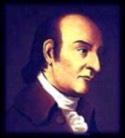
1Hon. George Wythe  781, M
781, MBirth1726, Elizabeth City County, Virginia
Will Dated20 Apr 1803
Will Dated24 Feb 1806
Death08 Jun 1806, Richmond, Virginia
BurialSaint John's Episcopal Churchyard, Richmond, Virginia782
OccupationJurist; statesman
Cause of deathPoisoned by his grandnephew, George Wythe Sweeney.
Web LinkFamous Americans - George Wythe: http://famousamericans.net/georgewythe/
Web LinkGeorge Wythe (Colonial Williamsburg): http://www.history.org/almanack/people/bios/biowythe.cfm
Web LinkGeorge Wythe House (Colonial Williamsburg): http://www.history.org/almanack/places/hb/hbwythe.cfm
FlagsNotable, Public Office Flag, Volume 1
Marriageabt 1755, Virginia
Research notes for Elizabeth Taliaferro
^NOTE: Janet Weston on Fido 8/16/94 cites (re Taliaferro ) Va. Mag. of Hist. & Biog., v77;
various volumes of the Wm. & Mary College Qrtrly;
Records of Colonial Gloucester County, va. v. 1 & 2 (comp. P. C. Mason, 1946);
Lewises, Meriwethers & Their King (Sarah T.L. Anderson, 1938);
Sketches of Some of the First Settlers of Upper Ga. (Geo. R. Gilmer)
various volumes of the Wm. & Mary College Qrtrly;
Records of Colonial Gloucester County, va. v. 1 & 2 (comp. P. C. Mason, 1946);
Lewises, Meriwethers & Their King (Sarah T.L. Anderson, 1938);
Sketches of Some of the First Settlers of Upper Ga. (Geo. R. Gilmer)
Reference notes for Elizabeth Taliaferro
Elizabeth (Taliaferro) Wythe was born and died in Williamsburg, James City County, VA.
Elizabeth became the second wife of George Wythe in 1754. Through her Taliaferro family, George Wythe became a wealthy man.
Elizabeth and George were the parents of one child which died in infancy.
George Wythe was Professor of Law and Police of William and Mary College; also was one of the signers of the Declaration of Independence.
Richard Taliaferro gave his daughter Elizabeth and her husband, George Wythe, the Williamsburg home he had built for himself. Elizabeth (Taliaferro) Wythe and her husband, George Wythe, lived in the home for more than thirty years.
In 1779, Richard Taliaferro's will gave George and Elizabeth use of the property for life. Elizabeth died in 1787*, and George moved to Richmond in 1791 to serve as a judge on Virginia's court of Chancery.
Elizabeth became the second wife of George Wythe in 1754. Through her Taliaferro family, George Wythe became a wealthy man.
Elizabeth and George were the parents of one child which died in infancy.
George Wythe was Professor of Law and Police of William and Mary College; also was one of the signers of the Declaration of Independence.
Richard Taliaferro gave his daughter Elizabeth and her husband, George Wythe, the Williamsburg home he had built for himself. Elizabeth (Taliaferro) Wythe and her husband, George Wythe, lived in the home for more than thirty years.
In 1779, Richard Taliaferro's will gave George and Elizabeth use of the property for life. Elizabeth died in 1787*, and George moved to Richmond in 1791 to serve as a judge on Virginia's court of Chancery.
Reference notes for George (Spouse 1)
George Wythe
American Virtual Biographies 783
WYTHE, George, signer of the Declaration of Independence, born in Elizabeth City county, Virginia, in 1726; died in Richmond, Virginia, 8 June 1806. His father was a wealthy planter, and his mother, who possessed unusual intelligence and learning, gave him his early education. Under her tuition he became an accomplished Latin and Greek scholar, an excellent mathematician acquired a liberal knowledge of the sciences, and was further instructed at William and Mary; but the death of both parents before he attained his majority and the consequent uncontrolled possession of a large fortune led him into extravagance and disipation. He reformed when he was about thirty years old, studied law under John Lewis, an eminent practitioner, and quickly rose to the front rank at the Virginia bar.
Early in life he was chosen to the house of burgesses, where he was recognized as one of the leaders, and he continued to serve until the beginning of the Revolution. On 14 November, 1764, he was appointed a member of its committee to prepare and report a petition to the king, a memorial to the house of lords, and a remonstrance to the house of commons on the proposed stamp-act. He drew up the last-named paper, but it so far exceeded the demands of his colleagues in boldness and truth that it was viewed as bordering on treason, and accepted only after much modification. From that time he continued to exert all his influence in favor of the independence of the colonies, and in August 1775, he was appointed a delegate to the Continental congress from Virginia, signing the Declaration of Independence on 4 July of the year. On 5 November, 1776, he was appointed by the legislature, with Thomas Jefferson, Edmund Pendleton, George Mason, and Thomas Ludwell Lee, on a committee to revise the state laws of British and colonial enactment, and to prepare bills for re-enacting them with such alterations as were required under the new government. Mason and Lee did not serve, but so industrious were the other three members of the committee that on 18 June 1779, they had prepared 126 bills, which they reported to the assembly. He became speaker of the house of delegates in 1777, the same year was chosen one of the three judges of the chancery court of Virginia, and, on the reorganization of the court of equity, was constituted sole chancellor, which post he held for more than twenty years. Before the close of the Revolution, debts had been incurred between American and British merchants, and the recovery of these was the subject of the 6th article of John Jay’s treaty with Great Britain, but popular feeling was strong against legal decrees in favor of British claimants. Chancellor Wythe was the first judge in the United States that decided the claims to be recoverable.
He lost almost all his property during the Revolution, but he supplemented his small income as chancellor, which was £300 a year, by accepting the professorship of law in William and Mary, which he held in 1779-89. In the latter year his arduous duties compelled his resignation, and he removed to Richmond, Virginia In December, 1786, he was chosen a member of the convention that framed the constitution of the United States, and he regularly attended its sessions, but, being absent on the last day, failed to sign the constitution, he was subsequently twice a presidential elector.
In the latter part of his life he emancipated his slaves, furnishing them with means of support until they learned to take care of themselves. In the eighty-first year of his age, while he was still in the full vigor of his intellect and the exercise of the duties of the chancellorship, he was poisoned. His nephew, George Wvthe Sweeny, was tried for the crime, but was acquitted. William and Mary gave Judge Wythe the degree of LL.D. in 1790. He was twice married, but his only child died in infancy. Among his pupils were two presidents of the United States, a chief justice, and others who attained high rank in the legal profession.
Thomas Jefferson, his law pupil and devoted adherent, said of him in notes that he made in 1820 for a biography of Wythe, which he never completed: “No man ever left behind him a character more venerated than George Wythe. His virtue was of the purest kind, his integrity inflexible, his justice exact. He might truly be called the Cato of his country, without the avarice of the Roman, for a more disinterested person never lived. He was of middle size, his face manly, comely, and engaging. Such was George Wythe, the honor of his own and the model of future times.” The engraving shows his house in Williamsburg, Virginia He published “Decisions in Virginia by the High Court of Chancery, with Remarks upon Decrees by the Court of Appeals” (Richmond, 1795; 2d ed., with a memoir by Benjamin B. Minor (1852).
American Virtual Biographies 783
WYTHE, George, signer of the Declaration of Independence, born in Elizabeth City county, Virginia, in 1726; died in Richmond, Virginia, 8 June 1806. His father was a wealthy planter, and his mother, who possessed unusual intelligence and learning, gave him his early education. Under her tuition he became an accomplished Latin and Greek scholar, an excellent mathematician acquired a liberal knowledge of the sciences, and was further instructed at William and Mary; but the death of both parents before he attained his majority and the consequent uncontrolled possession of a large fortune led him into extravagance and disipation. He reformed when he was about thirty years old, studied law under John Lewis, an eminent practitioner, and quickly rose to the front rank at the Virginia bar.
Early in life he was chosen to the house of burgesses, where he was recognized as one of the leaders, and he continued to serve until the beginning of the Revolution. On 14 November, 1764, he was appointed a member of its committee to prepare and report a petition to the king, a memorial to the house of lords, and a remonstrance to the house of commons on the proposed stamp-act. He drew up the last-named paper, but it so far exceeded the demands of his colleagues in boldness and truth that it was viewed as bordering on treason, and accepted only after much modification. From that time he continued to exert all his influence in favor of the independence of the colonies, and in August 1775, he was appointed a delegate to the Continental congress from Virginia, signing the Declaration of Independence on 4 July of the year. On 5 November, 1776, he was appointed by the legislature, with Thomas Jefferson, Edmund Pendleton, George Mason, and Thomas Ludwell Lee, on a committee to revise the state laws of British and colonial enactment, and to prepare bills for re-enacting them with such alterations as were required under the new government. Mason and Lee did not serve, but so industrious were the other three members of the committee that on 18 June 1779, they had prepared 126 bills, which they reported to the assembly. He became speaker of the house of delegates in 1777, the same year was chosen one of the three judges of the chancery court of Virginia, and, on the reorganization of the court of equity, was constituted sole chancellor, which post he held for more than twenty years. Before the close of the Revolution, debts had been incurred between American and British merchants, and the recovery of these was the subject of the 6th article of John Jay’s treaty with Great Britain, but popular feeling was strong against legal decrees in favor of British claimants. Chancellor Wythe was the first judge in the United States that decided the claims to be recoverable.
He lost almost all his property during the Revolution, but he supplemented his small income as chancellor, which was £300 a year, by accepting the professorship of law in William and Mary, which he held in 1779-89. In the latter year his arduous duties compelled his resignation, and he removed to Richmond, Virginia In December, 1786, he was chosen a member of the convention that framed the constitution of the United States, and he regularly attended its sessions, but, being absent on the last day, failed to sign the constitution, he was subsequently twice a presidential elector.
In the latter part of his life he emancipated his slaves, furnishing them with means of support until they learned to take care of themselves. In the eighty-first year of his age, while he was still in the full vigor of his intellect and the exercise of the duties of the chancellorship, he was poisoned. His nephew, George Wvthe Sweeny, was tried for the crime, but was acquitted. William and Mary gave Judge Wythe the degree of LL.D. in 1790. He was twice married, but his only child died in infancy. Among his pupils were two presidents of the United States, a chief justice, and others who attained high rank in the legal profession.
Thomas Jefferson, his law pupil and devoted adherent, said of him in notes that he made in 1820 for a biography of Wythe, which he never completed: “No man ever left behind him a character more venerated than George Wythe. His virtue was of the purest kind, his integrity inflexible, his justice exact. He might truly be called the Cato of his country, without the avarice of the Roman, for a more disinterested person never lived. He was of middle size, his face manly, comely, and engaging. Such was George Wythe, the honor of his own and the model of future times.” The engraving shows his house in Williamsburg, Virginia He published “Decisions in Virginia by the High Court of Chancery, with Remarks upon Decrees by the Court of Appeals” (Richmond, 1795; 2d ed., with a memoir by Benjamin B. Minor (1852).
Reference notes for George (Spouse 1)
George Wythe (Born 1726, died 1806)
Colonial Williamsburg 784
George Wythe’s signature is first among the Virginia signatures on the Declaration of Independence. Wythe was greatly respected by his fellow Virginians. Wythe ws absent from that meeting and the other delegates left a space so that his signature would appear first.
“No man ever left behind him a character more venerated than George Wythe,” Thomas Jefferson wrote. “His virtue was of the purest tint; his integrity inflexible, and his justice exact; of warm patriotism, and, devoted as he was to liberty, and the natural and equal rights of man, he might truly be called the Cato of his country.”
Jefferson learned the law from Wythe (pronounced "with"), and, in a manner of speaking, Wythe’s signature on the Declaration was a teacher’s endorsement of his pupil’s finest brief.
If Wythe had accomplished nothing more than signing the Declaration and teaching Jefferson, he would have earned a place in history, but his life was crowded with achievement. He was, among other things, Virginia’s foremost classical scholar, dean of its lawyers, a Williamsburg alderman and mayor, a member of the House of Burgesses, and house clerk. He was the colony’s attorney general, twice a delegate to the Continental Congress, speaker of the state assembly, the nation’s first college law professor, Virginia’s chancellor, and a framer of the federal Constitution.
Among Wythe’s other law pupils were John Marshall, perhaps the greatest chief justice of the United States, and St. George Tucker, the American Blackstone. When Wythe was Virginia’s chancellor, Henry Clay was his assistant.
George Wythe was born in 1726 at Chesterville in what is now Hampton, Virginia, to Thomas and Margaret Walker Wythe. His father, a planter, died soon after. Wythe was reared by his mother and may have received his early education from her.
Margaret Wythe instilled in her son a love of learning that served him all his life. Even as an old man Wythe took up new subjects, teaching himself Hebrew, for example. George Wythe studied law with his uncle Stephen Dewey (his uncle) who lived near Petersburg.
Admitted to the colony’s General Court bar in 1746, Wythe practiced at first in Elizabeth City County and later with John Lewis, the son of the prominent lawyer Zachary Lewis. In 1747 Wythe married Zachary’s daughter Ann.
Wythe was admitted to the York County bar on January 16, 1748. Ann Wythe died on August 8 of that year. The widower was appointed clerk to the Committee of Privileges and Elections of the House of Burgesses in October.
He was elected a burgess for Williamsburg in 1754, and soon he married Elizabeth Taliaferro (pronounced Tolliver). She was the daughter of planter and builder Richard Taliaferro, who built what is now called the George Wythe House about 1755, and also made substantial repairs and additions to the Governor’s Palace about 1752.
Taliaferro gave the couple life rights to the house.
When the House of Burgesses sent Attorney General Peyton Randolph to England as its agent in 1753, Wythe succeeded him, but resigned the office in Randolph’s favor after Randolph returned in 1755. Wythe remained a Williamsburg burgess until 1758, when he was elected the burgess for the college. He represented William and Mary until 1761, when he was elected for Elizabeth City County.
An early opponent of the Stamp Act, Wythe was appointed to the Committee of Petition and Remonstrance in 1764 and drafted the remonstrance to the House of Commons that protested against the tax. Nevertheless, Wythe, like Peyton Randolph and others, opposed freshman burgess Patrick Henry’s stormy resolves against the act the next year, regarding them as redundant and ill timed.
Despite Virginia’s deepening disputes with the Crown, Wythe maintained close friendships with governors Francis Fauquier and Norborne Berkeley, baron de Botetourt.
Jefferson met Wythe during Fauquier’s administration. They were introduced by Professor William Small of William and Mary. Wythe in turn introduced Jefferson to Fauquier, who invited the young man to play his violin in a Palace amateur quartet. Soon Small, Wythe, Fauquier, and Jefferson often made a party of four at Palace dinners, where science, politics, morals and the like were ordinary topics of conversation.
Wythe was appointed to William and Mary’s board in 1768, and on December 1 of that year he was elected Williamsburg’s mayor. He became a vestryman of Bruton Parish Church in 1760 and was appointed clerk of the House of Burgesses on July 16, 1769. After the burgesses ordered that the Public Hospital be built in 1770, they named Wythe one of its trustees. He remained house clerk until 1775, when he was elected a delegate to the Second Continental Congress.
At the Congress another member of the Virginia delegation, Richard Henry Lee, rose on instructions from the Virginia Convention in Williamsburg and moved American independence. Jefferson’s declaration was approved July 4, but the document was not engrossed and ready for signing until August 2. By that time, Wythe had returned to Williamsburg; absent delegates signed afterward. Below Wythe’s name appear the signatures, in order, of: Richard Henry Lee, Thomas Jefferson, Benjamin Harrison, Thomas Nelson, Jr., Francis Lightfoot Lee, and Carter Braxton.
Though 50 years old, Wythe proposed to fight in the Revolution, but his service was in government. He worked on the drafting of the first Virginia constitution, written mostly by George Mason, and served with Jefferson, Mason, Thomas Ludwell Lee, and Edmund Pendleton on the committee that revised the state’s laws. He also was one of two members who designed the state seal. It shows Virtue, sword in hand, with her foot on the prostrate form of Tyranny, whose crown lays nearby. The motto, “Sic Semper Tyrannis,” may be translated, “Thus Ever to Tyrants.”
In 1777 Wythe was elected speaker of the Virginia House of Delegates. Two years later he accepted appointment as professor of law and police in now-Governor Jefferson’s reorganization of the College of William and Mary. It was the first such professorship in the nation. After the government moved to Richmond in 1780, Wythe taught classes, presided over moot courts, and conducted mock legislatures in the old Capitol.
Elizabeth Wythe died in 1787. Long a foe of slavery, George Wythe freed several slaves, including Lydia Broadnax; others he conveyed to Taliaferro relatives. Lydia chose to remain in Wythe’s service.
Wythe accepted law students as boarders in his home and treated them as if they were the sons he had not had. His kindness was returned by admiring pupils like Jefferson, who called him "my faithful and beloved Mentor in youth, and my most affectionate friend through life."
Late in the1780s, student William Munford preserved a glimpse of Wythe’s domestic establishment. “Old as he is,” Munford wrote, “his habit is, every morning, winter and summer, to rise before the sun, go to the well in the yard, draw several buckets of water, and fill the reservoir for his shower bath, and then, drawing the cord, let the water fall over him in a glorious shower. Many a time have I heard him catching his breath and almost shouting with the shock. When he entered the breakfast room his face would be in a glow, and all his nerves were fully braced.”
Wythe quit the college in 1789 in a dispute with the administration and accepted appointment as judge of Virginia’s Court of Chancery in Richmond. He moved there in 1791, turning his house over to Taliaferro’s heir, who died in 1792. William and Mary’s president, the Reverend James Madison, bought the home in 1792.
Chancellor Wythe took the opportunity of one of his cases to try to cripple the institution of slavery. He ruled that Virginia’s Declaration of Rights--written by Mason and adopted in 1776--included African-Americans among the “all men” born free and equally independent. They should, Wythe said, be considered free until proven otherwise. His ruling did not survive appeals.
Nearing the end of his life, Wythe wrote his will in favor of a grandnephew, George Wythe Sweeney, but with generous bequests to his former slaves Mathew Brown and Lydia Broadnax. A ne'er-do-well, Sweeney forged checks against Wythe’s accounts to cover pressing debts. Hoping to avoid detection and to inherit under the will, he resorted to murder by poison. Strawberries or coffee in Broadnax’s kitchen seem to have been the vehicle. Brown died within days, but Wythe endured two weeks of agony. As he lay dying, Sweeney’s forgeries were discovered and Wythe revised his will.
A grand jury indicted Sweeney for murder. Sweeney went free. All evidence was circumstantial. No witness was able to testify that he saw Sweeney poison the food.
Wythe is buried at St. John’s Church in Richmond, the church in which Patrick Henry made his “Liberty or Death” speech.
http://www.history.org/people/bios/biowythe.htm
Colonial Williamsburg 784
George Wythe’s signature is first among the Virginia signatures on the Declaration of Independence. Wythe was greatly respected by his fellow Virginians. Wythe ws absent from that meeting and the other delegates left a space so that his signature would appear first.
“No man ever left behind him a character more venerated than George Wythe,” Thomas Jefferson wrote. “His virtue was of the purest tint; his integrity inflexible, and his justice exact; of warm patriotism, and, devoted as he was to liberty, and the natural and equal rights of man, he might truly be called the Cato of his country.”
Jefferson learned the law from Wythe (pronounced "with"), and, in a manner of speaking, Wythe’s signature on the Declaration was a teacher’s endorsement of his pupil’s finest brief.
If Wythe had accomplished nothing more than signing the Declaration and teaching Jefferson, he would have earned a place in history, but his life was crowded with achievement. He was, among other things, Virginia’s foremost classical scholar, dean of its lawyers, a Williamsburg alderman and mayor, a member of the House of Burgesses, and house clerk. He was the colony’s attorney general, twice a delegate to the Continental Congress, speaker of the state assembly, the nation’s first college law professor, Virginia’s chancellor, and a framer of the federal Constitution.
Among Wythe’s other law pupils were John Marshall, perhaps the greatest chief justice of the United States, and St. George Tucker, the American Blackstone. When Wythe was Virginia’s chancellor, Henry Clay was his assistant.
George Wythe was born in 1726 at Chesterville in what is now Hampton, Virginia, to Thomas and Margaret Walker Wythe. His father, a planter, died soon after. Wythe was reared by his mother and may have received his early education from her.
Margaret Wythe instilled in her son a love of learning that served him all his life. Even as an old man Wythe took up new subjects, teaching himself Hebrew, for example. George Wythe studied law with his uncle Stephen Dewey (his uncle) who lived near Petersburg.
Admitted to the colony’s General Court bar in 1746, Wythe practiced at first in Elizabeth City County and later with John Lewis, the son of the prominent lawyer Zachary Lewis. In 1747 Wythe married Zachary’s daughter Ann.
Wythe was admitted to the York County bar on January 16, 1748. Ann Wythe died on August 8 of that year. The widower was appointed clerk to the Committee of Privileges and Elections of the House of Burgesses in October.
He was elected a burgess for Williamsburg in 1754, and soon he married Elizabeth Taliaferro (pronounced Tolliver). She was the daughter of planter and builder Richard Taliaferro, who built what is now called the George Wythe House about 1755, and also made substantial repairs and additions to the Governor’s Palace about 1752.
Taliaferro gave the couple life rights to the house.
When the House of Burgesses sent Attorney General Peyton Randolph to England as its agent in 1753, Wythe succeeded him, but resigned the office in Randolph’s favor after Randolph returned in 1755. Wythe remained a Williamsburg burgess until 1758, when he was elected the burgess for the college. He represented William and Mary until 1761, when he was elected for Elizabeth City County.
An early opponent of the Stamp Act, Wythe was appointed to the Committee of Petition and Remonstrance in 1764 and drafted the remonstrance to the House of Commons that protested against the tax. Nevertheless, Wythe, like Peyton Randolph and others, opposed freshman burgess Patrick Henry’s stormy resolves against the act the next year, regarding them as redundant and ill timed.
Despite Virginia’s deepening disputes with the Crown, Wythe maintained close friendships with governors Francis Fauquier and Norborne Berkeley, baron de Botetourt.
Jefferson met Wythe during Fauquier’s administration. They were introduced by Professor William Small of William and Mary. Wythe in turn introduced Jefferson to Fauquier, who invited the young man to play his violin in a Palace amateur quartet. Soon Small, Wythe, Fauquier, and Jefferson often made a party of four at Palace dinners, where science, politics, morals and the like were ordinary topics of conversation.
Wythe was appointed to William and Mary’s board in 1768, and on December 1 of that year he was elected Williamsburg’s mayor. He became a vestryman of Bruton Parish Church in 1760 and was appointed clerk of the House of Burgesses on July 16, 1769. After the burgesses ordered that the Public Hospital be built in 1770, they named Wythe one of its trustees. He remained house clerk until 1775, when he was elected a delegate to the Second Continental Congress.
At the Congress another member of the Virginia delegation, Richard Henry Lee, rose on instructions from the Virginia Convention in Williamsburg and moved American independence. Jefferson’s declaration was approved July 4, but the document was not engrossed and ready for signing until August 2. By that time, Wythe had returned to Williamsburg; absent delegates signed afterward. Below Wythe’s name appear the signatures, in order, of: Richard Henry Lee, Thomas Jefferson, Benjamin Harrison, Thomas Nelson, Jr., Francis Lightfoot Lee, and Carter Braxton.
Though 50 years old, Wythe proposed to fight in the Revolution, but his service was in government. He worked on the drafting of the first Virginia constitution, written mostly by George Mason, and served with Jefferson, Mason, Thomas Ludwell Lee, and Edmund Pendleton on the committee that revised the state’s laws. He also was one of two members who designed the state seal. It shows Virtue, sword in hand, with her foot on the prostrate form of Tyranny, whose crown lays nearby. The motto, “Sic Semper Tyrannis,” may be translated, “Thus Ever to Tyrants.”
In 1777 Wythe was elected speaker of the Virginia House of Delegates. Two years later he accepted appointment as professor of law and police in now-Governor Jefferson’s reorganization of the College of William and Mary. It was the first such professorship in the nation. After the government moved to Richmond in 1780, Wythe taught classes, presided over moot courts, and conducted mock legislatures in the old Capitol.
Elizabeth Wythe died in 1787. Long a foe of slavery, George Wythe freed several slaves, including Lydia Broadnax; others he conveyed to Taliaferro relatives. Lydia chose to remain in Wythe’s service.
Wythe accepted law students as boarders in his home and treated them as if they were the sons he had not had. His kindness was returned by admiring pupils like Jefferson, who called him "my faithful and beloved Mentor in youth, and my most affectionate friend through life."
Late in the1780s, student William Munford preserved a glimpse of Wythe’s domestic establishment. “Old as he is,” Munford wrote, “his habit is, every morning, winter and summer, to rise before the sun, go to the well in the yard, draw several buckets of water, and fill the reservoir for his shower bath, and then, drawing the cord, let the water fall over him in a glorious shower. Many a time have I heard him catching his breath and almost shouting with the shock. When he entered the breakfast room his face would be in a glow, and all his nerves were fully braced.”
Wythe quit the college in 1789 in a dispute with the administration and accepted appointment as judge of Virginia’s Court of Chancery in Richmond. He moved there in 1791, turning his house over to Taliaferro’s heir, who died in 1792. William and Mary’s president, the Reverend James Madison, bought the home in 1792.
Chancellor Wythe took the opportunity of one of his cases to try to cripple the institution of slavery. He ruled that Virginia’s Declaration of Rights--written by Mason and adopted in 1776--included African-Americans among the “all men” born free and equally independent. They should, Wythe said, be considered free until proven otherwise. His ruling did not survive appeals.
Nearing the end of his life, Wythe wrote his will in favor of a grandnephew, George Wythe Sweeney, but with generous bequests to his former slaves Mathew Brown and Lydia Broadnax. A ne'er-do-well, Sweeney forged checks against Wythe’s accounts to cover pressing debts. Hoping to avoid detection and to inherit under the will, he resorted to murder by poison. Strawberries or coffee in Broadnax’s kitchen seem to have been the vehicle. Brown died within days, but Wythe endured two weeks of agony. As he lay dying, Sweeney’s forgeries were discovered and Wythe revised his will.
A grand jury indicted Sweeney for murder. Sweeney went free. All evidence was circumstantial. No witness was able to testify that he saw Sweeney poison the food.
Wythe is buried at St. John’s Church in Richmond, the church in which Patrick Henry made his “Liberty or Death” speech.
http://www.history.org/people/bios/biowythe.htm
Reference notes for George (Spouse 1)
George Wythe House
Colonial Williamsburg 785
Residence of the Virginian whose name appears first among the state’s signers of the Declaration of Independence, the George Wythe House on Palace green was General George Washington’s headquarters just before the Siege of Yorktown and French General Rochambeau’s after the victory. In 1776 it accommodated General Assembly delegate Thomas Jefferson and his family.
George Wythe (pronounced "with") was among colonial America’s finest lawyers, legal scholars, and teachers. Among the young men he trained in the law were Thomas Jefferson, St. George Tucker, and John Marshall. In 1779 he joined the College of William and Mary faculty to become the first law professor in the United States. Wythe taught classes in the vacant Capitol after Virginia’s government moved to Richmond in 1780.
Perhaps the most handsome colonial house in Williamsburg, the two-story brick residence was erected in the mid-1750s by Wythe’s father-in-law, the surveyor, builder, and planter Richard Taliaferro (pronounced Tolliver). Taliaferro built the addition to the Governor’s Palace about the same time.
A five-bay brick structure with a hip roof, built on a ratio of 1:2 between the height and breadth of the facade, the George Wythe House is 54'6" by 27'3" feet. The bricks are laid in Flemish bond above the water table and English bond below with a three-brick course. The second-floor windows are shorter and narrower than those on the first floor, and all but one are centered on the windows below. There are four rooms upstairs and four down, with a fireplace in each. Behind the home are a smokehouse, kitchen, laundry, poultry house, lumber house, well, dovecote and stable, and fine symmetrical gardens. Demonstrations of 18th-century cooking techniques are given in the kitchen.
Taliaferro’s daughter Elizabeth and her husband, George Wythe, lived there for over thirty years. In 1779 Taliaferro’s will left life rights in the house to the Wythes. Elizabeth died in 1787 and George moved to Richmond in 1791. The Reverend Dr. W. A. R. Goodwin of adjoining Bruton Parish Church established his offices on the second floor after acquiring the house for a parish house in 1926. These offices served for a time as headquarters for the Historic Area’s restoration. Colonial Williamsburg obtained the property in 1938. It has been furnished to look as it might have during George and Elizabeth Wythe’s residency.
Colonial Williamsburg 785
Residence of the Virginian whose name appears first among the state’s signers of the Declaration of Independence, the George Wythe House on Palace green was General George Washington’s headquarters just before the Siege of Yorktown and French General Rochambeau’s after the victory. In 1776 it accommodated General Assembly delegate Thomas Jefferson and his family.
George Wythe (pronounced "with") was among colonial America’s finest lawyers, legal scholars, and teachers. Among the young men he trained in the law were Thomas Jefferson, St. George Tucker, and John Marshall. In 1779 he joined the College of William and Mary faculty to become the first law professor in the United States. Wythe taught classes in the vacant Capitol after Virginia’s government moved to Richmond in 1780.
Perhaps the most handsome colonial house in Williamsburg, the two-story brick residence was erected in the mid-1750s by Wythe’s father-in-law, the surveyor, builder, and planter Richard Taliaferro (pronounced Tolliver). Taliaferro built the addition to the Governor’s Palace about the same time.
A five-bay brick structure with a hip roof, built on a ratio of 1:2 between the height and breadth of the facade, the George Wythe House is 54'6" by 27'3" feet. The bricks are laid in Flemish bond above the water table and English bond below with a three-brick course. The second-floor windows are shorter and narrower than those on the first floor, and all but one are centered on the windows below. There are four rooms upstairs and four down, with a fireplace in each. Behind the home are a smokehouse, kitchen, laundry, poultry house, lumber house, well, dovecote and stable, and fine symmetrical gardens. Demonstrations of 18th-century cooking techniques are given in the kitchen.
Taliaferro’s daughter Elizabeth and her husband, George Wythe, lived there for over thirty years. In 1779 Taliaferro’s will left life rights in the house to the Wythes. Elizabeth died in 1787 and George moved to Richmond in 1791. The Reverend Dr. W. A. R. Goodwin of adjoining Bruton Parish Church established his offices on the second floor after acquiring the house for a parish house in 1926. These offices served for a time as headquarters for the Historic Area’s restoration. Colonial Williamsburg obtained the property in 1938. It has been furnished to look as it might have during George and Elizabeth Wythe’s residency.
Reference notes for George (Spouse 1)
George Wythe
Findagrave Memorial
Signer of the Declaration of Independence from Virginia. Born in Back River, near Hampton, Virginia, his father died when he was three years old. George’s mother was highly educated, and she home-schooled him until he was sixteen. At 16, George began to study law with his uncle, and passed the bar exam in 1757. A year later, he married Ann Lewis, who died eight months after their wedding. Later he married Elizabeth Taliaferro, with whom he would have one child, who would not survive infancy.
Wythe was elected to the House of Burgesses in 1754, and elected mayor of Williamsburg in 1768. In 1764, he wrote the original Virginia protest against the Stamp Act. It was so fiery that it had to be rewritten in a softer tone. He would also teach law at the College of William and Mary; among his pupils were two future Presidents, Thomas Jefferson and James Monroe. To help needy law students, he often took them into his home to live. Thomas Jefferson, who had lost his own father at age 14, called Wythe, “my second father.”
Wythe served in the Second Continental Congress, from 1775 to 1776. After a few months in Congress, he returned home to help draft the Virginia constitution. In 1778, he became a judge of the court of chancery. In 1779, Wythe was appointed to the nation’s first law professorship, established at the College of William and Mary by his former student, Thomas Jefferson. In 1786, he became Chancellor of the state. He participated in the Constitutional Convention of 1787. The next year, he was elected to serve in the convention in Richmond, Virginia, to consider whether to approve the newly drafted US Constitution. Wythe helped to sway the delegates to support the new constitution, and Virginia narrowly became the tenth state to approve the document.
Over the years, Wythe had grown to hate slavery, and after his second wife, Elizabeth, died in the late 1780s, he began to free his slaves. He lived with two of his former slaves: a housekeeper, Lydia Broadnax, and a young man named Michael Brown. Wythe was so fond of Michael that he named him to inherit part of his estate. Also living with him was his great-nephew, George Wythe Sweeney. Sweeney, who was in line to inherit most of the estate, ran up huge gambling debts. Initially, Sweeney forged his uncle’s name on checks, but becoming more desperate for money, he poured poison into coffee that George Wythe, Michael Brown and Lydia Broadnax drank. George and Michael both died from the poison, but Lydia survived. There was plenty of evidence against Sweeney, but by Virginia law blacks could not testify against whites in court, so Lydia was not heard, and Sweeney was found “not guilty” of murder. George Wythe died at age 80 from the poison his great-nephew had given him.
Findagrave Memorial
Signer of the Declaration of Independence from Virginia. Born in Back River, near Hampton, Virginia, his father died when he was three years old. George’s mother was highly educated, and she home-schooled him until he was sixteen. At 16, George began to study law with his uncle, and passed the bar exam in 1757. A year later, he married Ann Lewis, who died eight months after their wedding. Later he married Elizabeth Taliaferro, with whom he would have one child, who would not survive infancy.
Wythe was elected to the House of Burgesses in 1754, and elected mayor of Williamsburg in 1768. In 1764, he wrote the original Virginia protest against the Stamp Act. It was so fiery that it had to be rewritten in a softer tone. He would also teach law at the College of William and Mary; among his pupils were two future Presidents, Thomas Jefferson and James Monroe. To help needy law students, he often took them into his home to live. Thomas Jefferson, who had lost his own father at age 14, called Wythe, “my second father.”
Wythe served in the Second Continental Congress, from 1775 to 1776. After a few months in Congress, he returned home to help draft the Virginia constitution. In 1778, he became a judge of the court of chancery. In 1779, Wythe was appointed to the nation’s first law professorship, established at the College of William and Mary by his former student, Thomas Jefferson. In 1786, he became Chancellor of the state. He participated in the Constitutional Convention of 1787. The next year, he was elected to serve in the convention in Richmond, Virginia, to consider whether to approve the newly drafted US Constitution. Wythe helped to sway the delegates to support the new constitution, and Virginia narrowly became the tenth state to approve the document.
Over the years, Wythe had grown to hate slavery, and after his second wife, Elizabeth, died in the late 1780s, he began to free his slaves. He lived with two of his former slaves: a housekeeper, Lydia Broadnax, and a young man named Michael Brown. Wythe was so fond of Michael that he named him to inherit part of his estate. Also living with him was his great-nephew, George Wythe Sweeney. Sweeney, who was in line to inherit most of the estate, ran up huge gambling debts. Initially, Sweeney forged his uncle’s name on checks, but becoming more desperate for money, he poured poison into coffee that George Wythe, Michael Brown and Lydia Broadnax drank. George and Michael both died from the poison, but Lydia survived. There was plenty of evidence against Sweeney, but by Virginia law blacks could not testify against whites in court, so Lydia was not heard, and Sweeney was found “not guilty” of murder. George Wythe died at age 80 from the poison his great-nephew had given him.